Wealth
The Long Game: Treating Local Rental Portfolios as Wealth Engines
True real estate wealth isn't about monthly cash flow checks—it is an interlocking system of tax deferral, compounding equity, and generational transfer.

Effective sioux falls real estate wealth management begins the moment you stop viewing rental properties as a side hustle and start treating them as an enduring balance sheet. Most investors in Minnehaha and Lincoln counties enter the market with a tactical mindset: buy a duplex near Augustana, pick up a ranch home on the east side, collect rent, and handle the calls. That approach produces extra monthly income, but it rarely produces generational wealth. The investors who build lasting estates look at local real estate through a completely different lens—one defined by tax architecture, equity compounding, and friction-free inheritance.
When managed with a thirty-year horizon rather than a thirty-day collection cycle, residential real estate in a stable community like Sioux Falls delivers advantages that public equities simply cannot match. Here is how serious owners transition from active landlord to long-horizon estate builder.
The Three Compounding Engines of Real Estate Wealth
Stock market wealth depends almost entirely on price appreciation and dividends. Real estate operates on three simultaneous engines that compound in tandem:
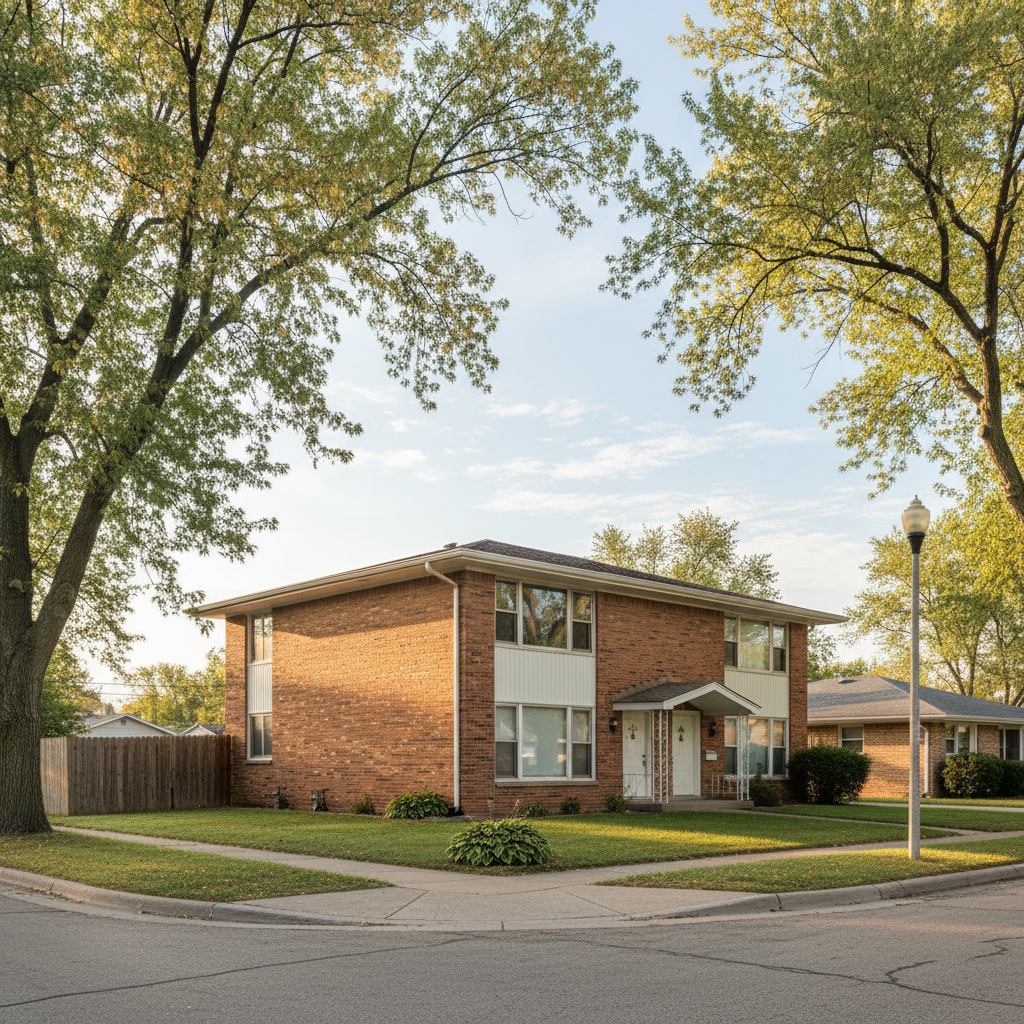
- Principal paydown via tenant revenue: Over a fifteen- to thirty-year window, your tenants steadily retire the debt on your properties. Amortization accelerates as the loan matures, quietly turning debt into unencumbered equity without requiring additional capital outlays from your personal income.
- Sheltered income through depreciation: The IRS allows residential rental owners to depreciate the improvement value of a property over 27.5 years. In practice, this non-cash expense often wipes out the taxable income generated by the rent checks. You put cash in your pocket while your tax return reports neutral income or even a paper loss.
- Inflation-resilient asset appreciation: While Sioux Falls does not experience the wild, speculative spikes seen in coastal markets, it offers steady, fundamentally supported growth tied to job creation, healthcare, and financial services expansion. Over decades, land and replacement construction costs rise, lifting property values.
When you leave these three engines running without interruption, the real challenge becomes protecting your gains from tax erosion when reallocating capital.
Using the 1031 Exchange to Upgrade Quality and Scale
One of the most common pitfalls for local owners is selling an appreciated property, paying capital gains and depreciation recapture taxes, and attempting to reinvest the leftover capital. In doing so, they willingly surrender 20% to 30% of their compounded purchasing power to federal taxes.
The 1031 exchange eliminates this drag. By rolling the entire net proceeds from a relinquished property into a "like-kind" replacement within statutory deadlines (45 days to identify, 180 days to close), you defer all capital gains and depreciation recapture.
In a market like Sioux Falls, this strategy often follows a natural progression. An investor might start with three or four scattered single-family rentals acquired in their thirties. Twenty years later, tired of maintaining four roofs, four furnaces, and four distinct driveways, they execute a 1031 exchange to consolidate those properties into a modern, eight-unit apartment building or a commercial flex property. They defer hundreds of thousands in taxes, increase their gross rental footprint, and trade into an asset with better operational efficiencies.
Mastering Sioux Falls Real Estate Wealth Management for the Next Generation
The centerpiece of long-horizon real estate planning is the strategy colloquially known as "swap until you drop."
Every time you complete a 1031 exchange, your original tax basis carries forward into the new asset. If you accumulated $800,000 in deferred gains over thirty years of trading properties, that liability remains on paper. However, under current federal tax code, when real estate passes to heirs upon death, the asset receives a "step-up" in basis to fair market value.
This single provision fundamentally changes the math of wealth transfer:
- Decades of deferred capital gains vanish permanently.
- All accumulated depreciation recapture liability is wiped clean.
- Your heirs inherit the property at today's market value and can immediately begin a brand-new 27.5-year depreciation schedule, or sell the asset with zero capital gains tax liability.
Coupled with South Dakota’s distinct advantages—the absence of a state personal income tax, no state-level inheritance or estate tax, and some of the country’s most protective trust statutes—local real estate provides an exceptionally resilient vehicle for passing wealth down cleanly.
Asset Protection and Entity Structuring
You cannot build generational wealth if a single slip-and-fall incident or structural catastrophe can pierce your personal balance sheet. Wealth management requires insulation.
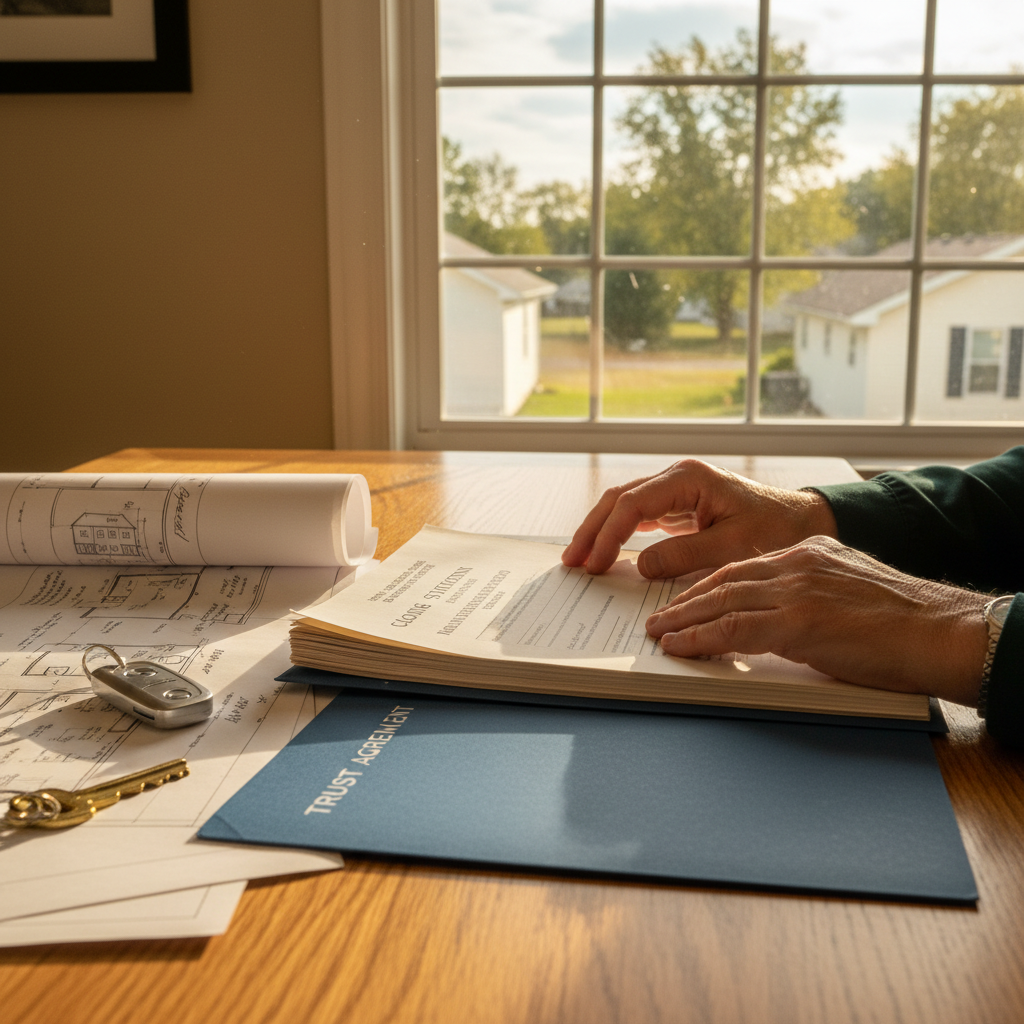
At a minimum, rental properties should not be held in personal names. Placing properties inside dedicated Limited Liability Companies (LLCs) separates your investment risk from your primary residence and personal accounts. Many seasoned owners use separate LLCs for distinct properties or clusters, ensuring that liability from one parcel does not jeopardize another.
Furthermore, for larger portfolios, pairing local real estate with South Dakota dynasty trusts allows families to hold property for multiple generations without triggering probate or incurring transfer friction down the family line. Working with a qualified local estate attorney and CPA ensures your entity structure reflects both your debt terms and long-term succession goals.
Decoupling Wealth from Daily Labor
A portfolio that requires your physical presence every Saturday morning to repair faucets is not an investment; it is a second job. True wealth provides autonomy.
As portfolios grow, transitioning day-to-day operations to professional, third-party property management is not merely an expense—it is risk management. Professional management standardizes tenant screening, enforces market-rate lease agreements, coordinates preventative maintenance with vetted contractors, and keeps legal documentation compliant with evolving fair housing statutes.
More importantly, it ensures the asset continues operating smoothly when ownership transitions to spouses or adult children who may not have the interest, time, or stomach for hands-on property management. A turnkey, professionally managed portfolio can be inherited cleanly; a chaotic, self-managed one often gets liquidated in a fire sale.
What this means for you
Building sustainable wealth through real estate is a discipline of patience, structure, and deferral.
- Audit your current equity: Look at your existing properties. Are you sitting on fully amortized, low-yield equity that could be 1031-exchanged into a larger, more efficient multi-family asset?
- Review your title and basis records: Work with your tax advisor to track your cumulative depreciation and evaluate whether your holding structure aligns with your long-term estate goals.
- Systematize operations: Remove yourself from the maintenance loop so your portfolio functions as a standalone financial asset rather than an operational burden.
The real estate decisions you make this year shouldn't just be about next month's cash flow. They should be about what your family balance sheet looks like thirty years from now.
Frequently asked
Quick answers
What happens to accumulated depreciation when I pass rental property to my heirs?
Under current federal tax law, real estate receives a step-up in basis to fair market value upon the owner's death. This step-up eliminates the accumulated depreciation recapture liability alongside capital gains, allowing heirs to inherit the property free of that deferred tax burden.
Can I complete a 1031 exchange from a single-family rental into a multi-family property?
Yes. The IRS definition of 'like-kind' real estate is broad for investment property. You can exchange a single-family rental house for a duplex, a fourplex, an apartment community, or even raw commercial land, provided both properties are held for business or investment purposes.
Why is South Dakota considered an advantageous state for long-term real estate holding?
South Dakota has no state personal income tax, no state corporate income tax, and no inheritance or estate tax. Furthermore, its trust laws are among the most favorable in the nation, making it exceptionally efficient for multi-generational wealth preservation.
When should an investor transition from self-management to professional property management?
The transition usually makes sense when your portfolio reaches three to five units, or when daily maintenance calls start distracting you from your primary career and higher-level investment planning. Professional management protects your time and standardizes portfolio operations for long-term succession.
Share
Found this useful? Pass it along.
One tap on LinkedIn, X, or Facebook helps more Sioux Falls renters and investors find these notes.
Get updates by email
Want more posts like this?
Join the weekly Insights digest — new post recaps, Sioux Falls market notes, and one big idea you can use. Free, and you can unsubscribe anytime.