
Sioux Falls
What the Late 2026 Construction Slowdown Means for Sioux Falls Rent
New construction permits have cooled across Sioux Falls, shifting the rental market from rapid supply expansion to steady absorption heading into winter 2026.

Understanding current Sioux Falls rental vacancy trends requires looking past the flurry of building permits that filled city dashboards over the last three years. For much of 2024 and 2025, local real estate conversations circled a single concern: whether the metro was building multi-unit housing faster than our incoming population could fill it. As we head toward the close of 2026, the picture is settling. The construction frenzy has eased into a disciplined rhythm, large complexes along the perimeter are filling up, and vacancy across our roughly 250,000-resident community is reverting toward predictable Midwestern baselines.
For rental property owners, small-scale multifamily operators, and tenants, this transition changes the operating environment. We are no longer navigating sudden supply gluts, nor are we seeing frantic double-digit rent surges. Instead, Sioux Falls has entered a phase of steady absorption.
The Delivery Taper: From Rapid Building to Steady Absorption
Between 2022 and late 2025, Sioux Falls added significant multi-unit inventory. Much of that product clustered along the outer rings: out past Veterans Parkway on the east side, down toward the 85th Street corridor near the Tea border, and along the northwest fringe near the interstate junctions.
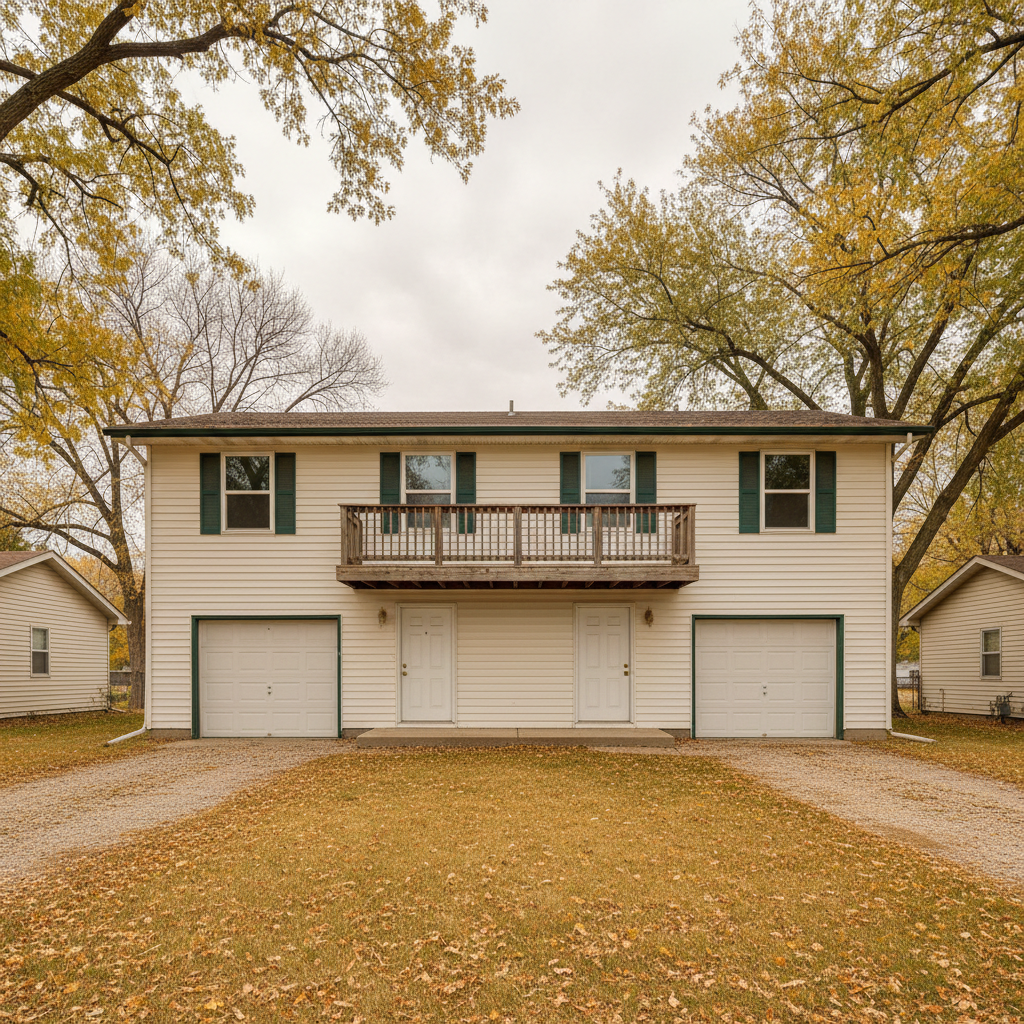
Inevitably, delivering hundreds of front doors in clustered waves created temporary pockets of high vacancy. Developers leaned heavily on concessions—offering a month of free rent, waived application fees, or discounted garages to get initial lease-ups completed. Smaller, private landlords in established neighborhoods watched nervously, wondering if those incentives would pull reliable renters away from core residential pockets.
By autumn 2026, that wave of initial delivery has largely cleared. Higher financing costs over the preceding two years inevitably slowed down groundbreakings for massive garden-style apartment projects. The projects finishing up this fall represent the tail end of that push. With fewer ribbon-cuttings scheduled for the upcoming spring and summer, the supply pipeline is finally running at a pace that matches natural local household formation.
Where Sioux Falls Rental Vacancy Trends Stand Across Neighborhoods
Vacancy is never uniform across a metro area, and Sioux Falls is a textbook example. How your property performs depends entirely on where it sits and what kind of living space it offers.
- The Outer-Ring Subdivisions: Newer Class A complexes on the southeast and northwest edges have seen vacancies gradually compress over the past six months. Concessions are thinning out. Property managers who were offering gift cards or free months a year ago are now signing standard twelve-month leases at list price. Vacancies in these areas have dropped back toward the healthy 5% to 7% range typical for newer developments.
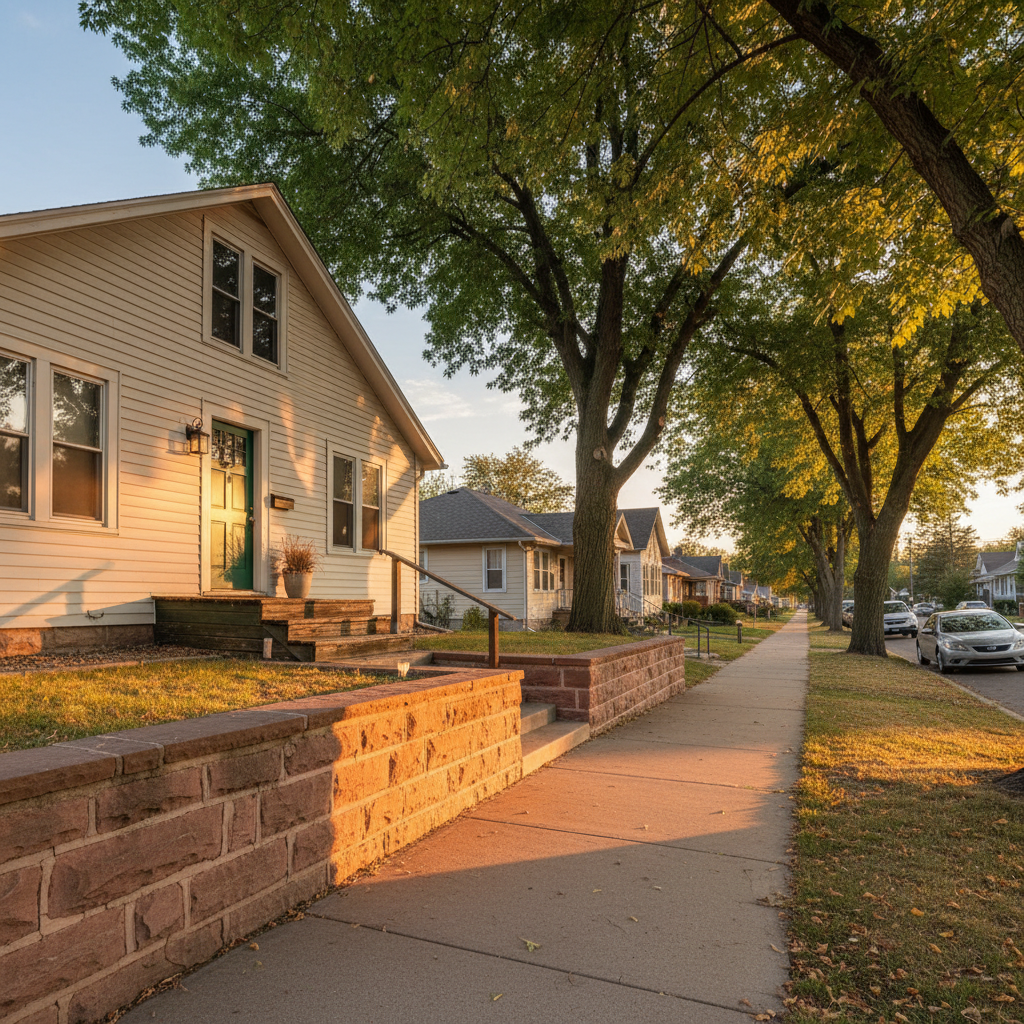
- Central Infill and Historic Neighborhoods: In areas like All Saints, Cathedral, Pettigrew, and around McKennan Park, vacancy barely budged during the construction surge. Well-kept duplexes, converted historic fourplexes, and standalone rental houses in these neighborhoods serve a completely different renter. Tenants here choose walkable streets, mature elms, and proximity to downtown or the midtown medical campuses over resort-style clubhouses. In these core pockets, vacancy rates consistently hover under 4%.
- Established Suburban Pockets: Neighborhoods built out in the 1970s through the 1990s—near Kuehn Park on the west side or around 26th and Bahnson on the east—remain the workhorses of the rental market. These properties provide essential workforce housing. Demand here has remained exceptionally durable, with turns routinely taking less than three weeks when homes are properly priced and cleanly maintained.
The Local Economic Drivers Holding the Floor
Sioux Falls does not experience the volatile boom-and-bust cycles seen in coastal or resource-dependent markets. Our rental absorption is anchored by three steady economic pillars: healthcare, regional logistics, and financial services.
The steady campus expansions from both Sanford Health and Avera Health continue to draw specialized professionals, nursing staff, and administrative workers into Minnehaha and Lincoln counties. Concurrently, regional distribution centers and manufacturing plants along the I-29 and I-90 corridors generate dependable demand for straightforward, mid-priced two- and three-bedroom rentals.
Furthermore, South Dakota's lack of a state personal income tax, combined with a relatively low barrier to business creation, keeps a steady trickle of relocation households arriving each month. These aren't headline-grabbing population spikes; they are steady, working families and individuals needing reliable housing on arrival while they figure out where they want to set down roots.
Rent Growth: From Volatility to Predictable Stability
During the pandemic years, asking rents jumped sharply. During the heavy delivery window that followed, rent growth flattened to near zero as properties competed for tenants. Now, in the late stretch of 2026, rent trajectory has returned to a sustainable annual pace—typically matching general inflation in the 2% to 4% range.
Tenants are benefiting from this stability. They are no longer facing sudden, double-digit lease renewal hikes, giving households room to budget sensibly. At the same time, housing providers who budgeted realistically rather than projecting perpetual 8% revenue growth are finding that their cash flow remains sound, backed by reliable, long-tenured residents.
What This Means for You
Whether you manage a small portfolio of duplexes or own a single rental house on the west side, this market reset offers clear guidance for the coming year:
- Prioritize Resident Retention Over Peak Rent: In an absorption market, losing a reliable tenant over a $25 monthly rent disagreement is an unforced error. Turnover costs—paint, carpet cleaning, marketing, and two to four weeks of dead vacancy—will easily wipe out the modest gain of an aggressive rent bump. Keep your good tenants happy with responsive maintenance.
- Focus Capital on Cleanliness and Function: Renters today have choices. They might not need a granite swimming pool deck, but they expect high-efficiency furnaces, clean hard-surface flooring, dependable appliances, and tidy yards. Basic mechanical reliability and clean presentation beat superficial cosmetic upgrades every time.
- Underwrite Future Acquisitions Conservatively: If you are shopping for your next investment property in Sioux Falls, build your financial model on a standard 5% to 6% vacancy factor and modest 3% rent growth. The deals that make sense under those realistic assumptions will keep you safe through any seasonal market turn.
The narrative in Sioux Falls real estate is no longer about an overbuilt market. It is about a maturing regional center settling into a balanced, workable equilibrium.
Frequently asked
Quick answers
What is the average rental vacancy rate in Sioux Falls right now?
As of late 2026, rental vacancy across the Sioux Falls metro has stabilized between 5% and 6.5% overall. Established central neighborhoods and single-family rentals often run lower, around 3% to 4%, while newer outer-ring apartment communities are nearing normal stabilization following their initial lease-up periods.
Are Sioux Falls landlords still offering rent concessions in late 2026?
Concessions like free months or waived fees have largely faded compared to 2024 and 2025. You may still see modest move-in specials on large-scale outer developments competing for volume, but core neighborhood properties, duplexes, and private single-family rentals are leasing under standard terms without incentives.
How are local interest rates impacting new rental construction in town?
Financing conditions over the past two years led developers to become much more selective. Speculative, large-scale multi-unit projects have noticeably slowed, allowing existing housing inventory to be absorbed naturally and preventing prolonged oversupply across Minnehaha and Lincoln counties.
Which types of rental properties are performing best in Sioux Falls?
Single-family rentals, townhomes, and traditional duplexes in established school districts continue to see the highest tenant retention and lowest days on market. Renters value private garages, yard space, and functional layouts over the shared luxury amenities found in large apartment complexes.
Share
Found this useful? Pass it along.
One tap on LinkedIn, X, or Facebook helps more Sioux Falls renters and investors find these notes.
Get updates by email
Want more posts like this?
Join the weekly Insights digest — new post recaps, Sioux Falls market notes, and one big idea you can use. Free, and you can unsubscribe anytime.