
Investing
Unlocking Value: Mastering Commercial Property Conversions
Converting underutilized commercial spaces into new opportunities is a potent strategy for investors seeking to create significant value in the Sioux Falls market.
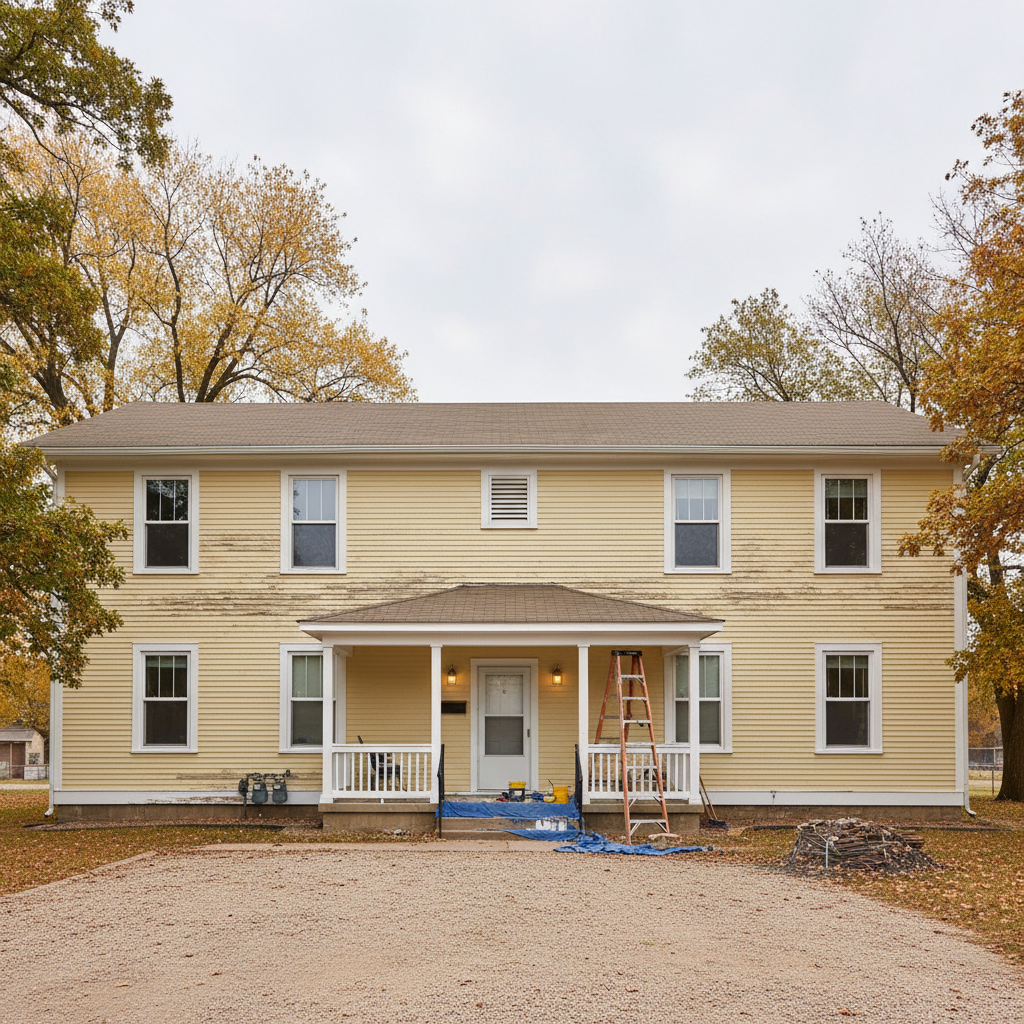
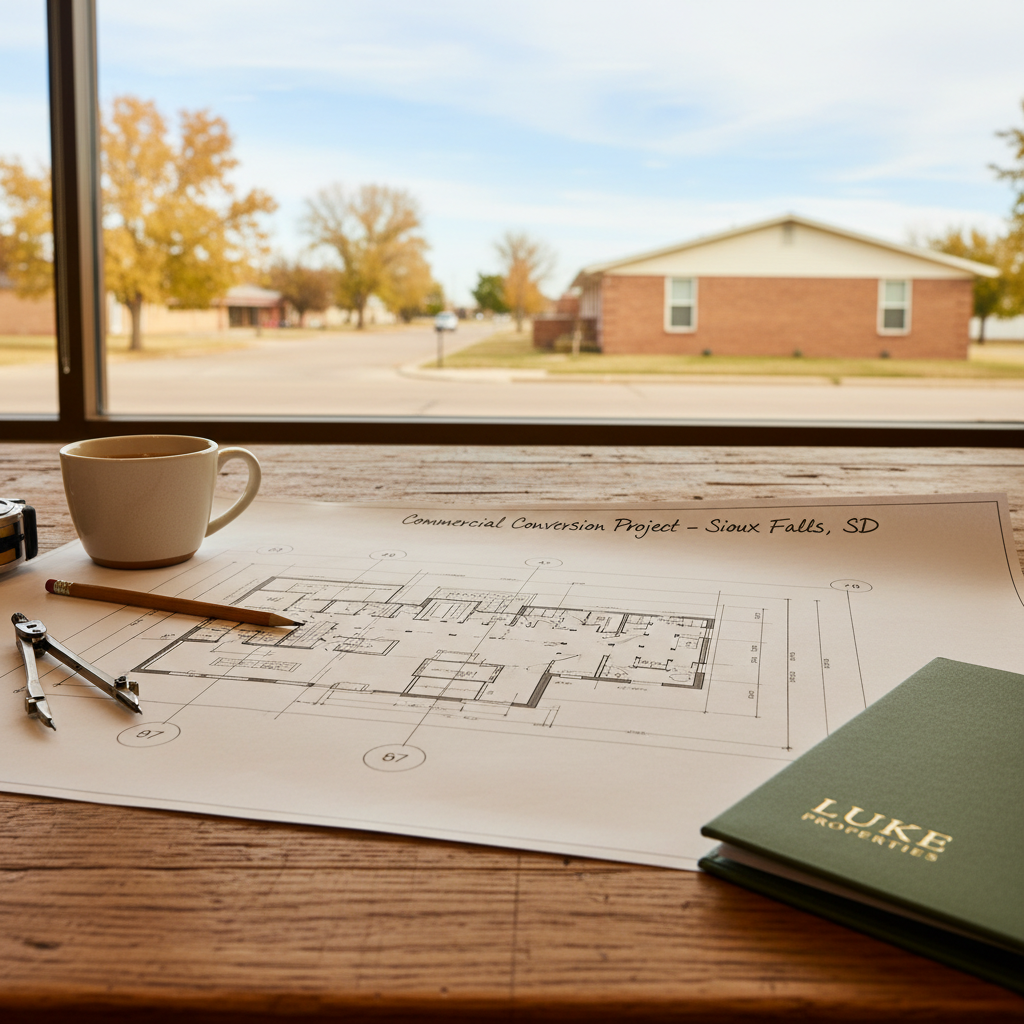
The Sioux Falls real estate landscape continues to evolve, and with it, new avenues for thoughtful investment emerge. One strategy gaining traction, particularly for investors looking beyond traditional single-family or small multi-family rentals, involves purposeful commercial property conversions in Sioux Falls. This isn't about mere renovation; it's about adaptive reuse – transforming an outdated or underperforming commercial building into something entirely new, often with significantly higher income potential or greater utility for the community. It’s a strategy that requires a discerning eye and a practical approach, but the rewards can be substantial, especially when done well within our growing city.
The Allure of Adaptive Reuse
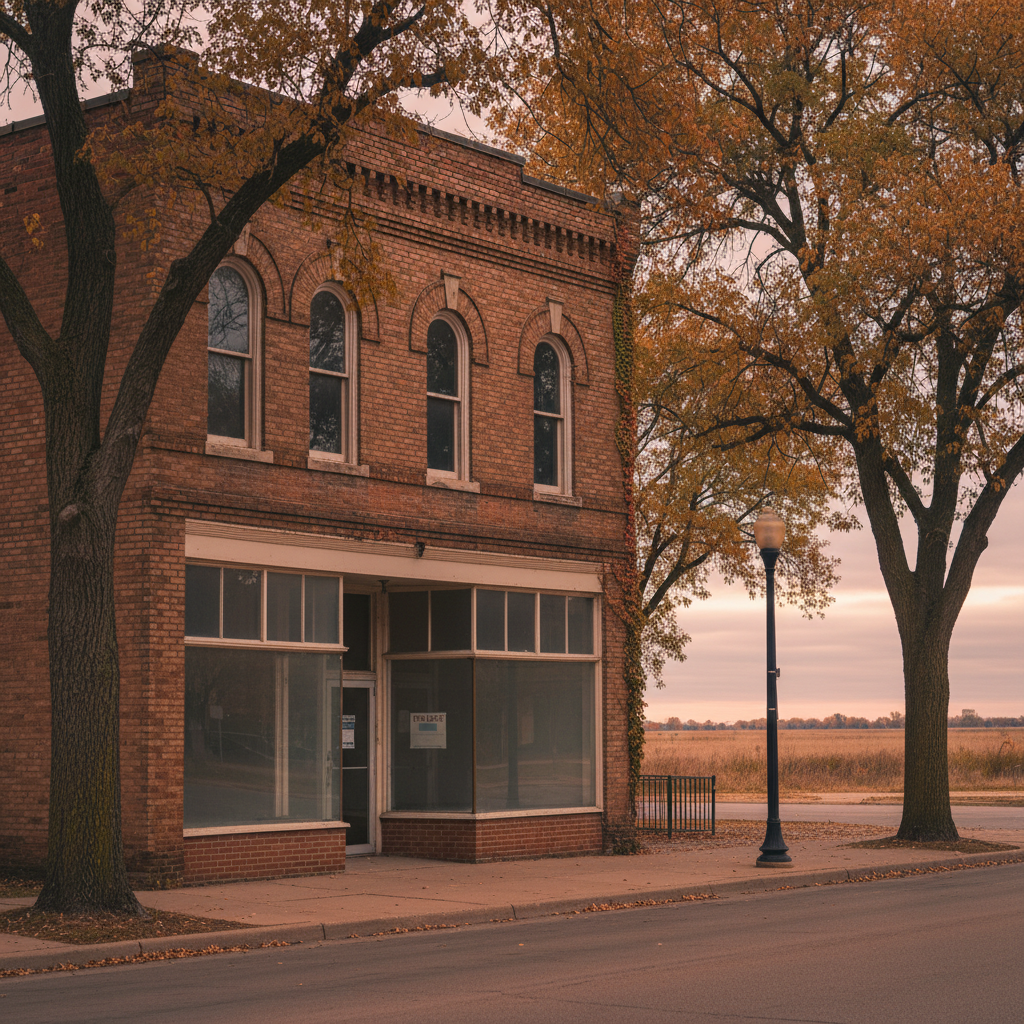
Why look at converting commercial properties? Think about the aging office buildings, the vacated retail spaces, or the industrial facilities that no longer fit their original purpose. In a dynamic market like ours, these aren't just empty spaces; they're canvases for innovation. Adaptive reuse allows investors to capitalize on existing structures, often in desirable locations, avoiding the cost and time of new construction. It's about finding the hidden value in brick and mortar.
Consider a former corner grocery store from the 1970s. It might be too small for today's chain retailers, but its robust construction and street visibility could make it an ideal candidate for a small professional office, a specialty retail shop, or even a couple of unique loft apartments. Or imagine an older, single-story light industrial building on the edge of a residential area. With the right vision and zoning adjustments, it could become a modern co-working space, a childcare facility, or even a mini-storage complex – uses that our community often needs.
Identifying Opportunities and Due Diligence
Finding the right property for a conversion project requires a different kind of market analysis than a typical rental home. You're looking for signs of distress or obsolescence in commercial properties. These might include high vacancy rates for its current use, architectural features that lend themselves to new layouts, or a location that has evolved to better suit a different property type.
Key aspects to consider during due diligence for commercial property conversions Sioux Falls include:
- Zoning and Permitting: This is foundational. Can the property's current zoning accommodate your proposed new use, or will you need to apply for a variance or re-zoning? This can be a lengthy process and requires careful navigation of local planning and development offices. We've seen projects succeed by working closely with city planners from the outset.
- Structural Integrity: What's behind the walls? An older building may have solid bones, but it could also hide costly issues like outdated electrical systems, plumbing, or roofing that are beyond simple repairs. A thorough inspection by a qualified structural engineer and contractors familiar with older buildings is non-negotiable.
- Environmental Concerns: Former industrial sites or even dry cleaners can harbor environmental contaminants. A Phase I Environmental Site Assessment (ESA) is a crucial step to identify potential risks and liabilities. Don't skip this; the costs of remediation can dwarf other project expenses.
- Market Demand: Is there a genuine demand for your proposed new use in that specific location? Converting an office building into apartments in an area with an abundance of vacant apartments makes little sense. However, creating new, modern office suites in a neighborhood lacking them, or adding needed residential units near an expanding employment hub, can be very smart. Talk to local businesses, look at vacancy rates for comparable properties, and understand rental trends.
Financing Your Conversion
Financing adaptive reuse projects often differs from conventional loans. Traditional commercial mortgages might not fully cover the extensive renovation costs. Here are some avenues to explore:
- Commercial Construction Loans: These are designed for projects with significant build-out phases, releasing funds as construction milestones are met. They often convert to a permanent mortgage once the project is complete and stabilized.
- SBA 504 Loans: For owner-occupants, the Small Business Administration (SBA) 504 program can be a powerful tool, offering long-term, fixed-rate financing for major fixed assets, including conversions. It can reduce the upfront capital required from the business owner.
- Local and State Incentives: Don't overlook potential economic development incentives. Our state and local governments sometimes offer programs for rehabilitating historic properties, creating affordable housing, or revitalizing specific areas. These could include tax credits, grants, or low-interest loans. Investigate what might be available for your specific project type and location.
- Private Lenders/Hard Money: For faster, more flexible, but higher-interest financing, private lenders or hard money loans can bridge gaps, especially during the acquisition and initial conversion phases. They are typically short-term solutions.
The Value-Add Through Conversion
The real power of commercial property conversions lies in the value creation. By transforming an underperforming asset, you can achieve a significantly higher net operating income (NOI) than the property generated in its previous life. This directly translates to increased property value. For example, converting an old warehouse into several flexible studio/workspace units or even a small multi-family complex can shift the property from a low-rent, high-vacancy asset to one generating consistent, higher-tier income.
The timeline for these projects can range from six months to two years or more, depending on complexity and regulatory hurdles. Patience and a robust project management plan are essential. Working with experienced local architects, contractors, and real estate professionals who understand Sioux Falls' specific development climate can make a considerable difference in navigating these waters successfully.
What this means for you
Commercial property conversions in Sioux Falls are not for the faint of heart, but for the investor willing to do the thorough upfront work, they offer a path to create truly significant value. It requires vision, diligent research into zoning and structural realities, careful financial planning, and a deep understanding of what our community needs. By repurposing existing structures, you're not just making a smart investment; you're contributing to the thoughtful revitalization and growth of Sioux Falls, creating new spaces that serve new purposes. It’s an investment strategy focused on creating something enduring.
Frequently asked
Quick answers
What kind of commercial properties are best suited for conversion?
Properties with good structural integrity, flexible layouts, and desirable locations are often ideal. Former offices, small retail spaces, or light industrial buildings in areas with evolving demographics or unmet needs can be excellent candidates. Look for properties with strong 'bones' that minimize major structural overhauls, focusing instead on interior redevelopment.
What's the biggest risk with commercial property conversions?
The primary risk lies in unforeseen costs and regulatory hurdles. Zoning changes or variances can be time-consuming and sometimes denied. Unexpected structural issues or environmental contamination can significantly inflate budgets. Thorough due diligence, including professional inspections and engaging with city planners early, is crucial to mitigate these risks.
How do I determine market demand for a converted property in Sioux Falls?
Research local vacancy rates for your proposed new use, analyze rental comps, and speak with local businesses or residents about their needs. For residential conversions, look at employment centers and amenities nearby. For commercial conversions, consider what types of businesses are growing or underserved in that specific area of Sioux Falls. Local insight is invaluable.
Can I convert a commercial property into residential units?
Yes, commercial-to-residential conversions are a popular form of adaptive reuse, especially for older office buildings or retail spaces. However, this typically requires navigating zoning changes, which can be complex. You'll need to ensure the building can meet residential building codes, including egress, fire safety, and utility capacity, which can be significant expenses.
What financing options are available for these types of projects?
Financing often involves a combination of commercial construction loans, which fund the renovation phase, and potentially an SBA 504 loan if you'll be an owner-occupant. Exploring local economic development incentives, tax credits, or even private lenders for short-term bridge financing can also be part of a comprehensive funding strategy. Each project's needs will vary.
Share
Found this useful? Pass it along.
One tap on LinkedIn, X, or Facebook helps more Sioux Falls renters and investors find these notes.
Get updates by email
Want more posts like this?
Join the weekly Insights digest — new post recaps, Sioux Falls market notes, and one big idea you can use. Free, and you can unsubscribe anytime.