
Investing
Underwriting Small Multifamily in Sioux Falls: The Real Numbers
A practical, zero-fluff framework for underwriting duplexes, triplexes, and fourplexes in Sioux Falls without relying on speculative appreciation.
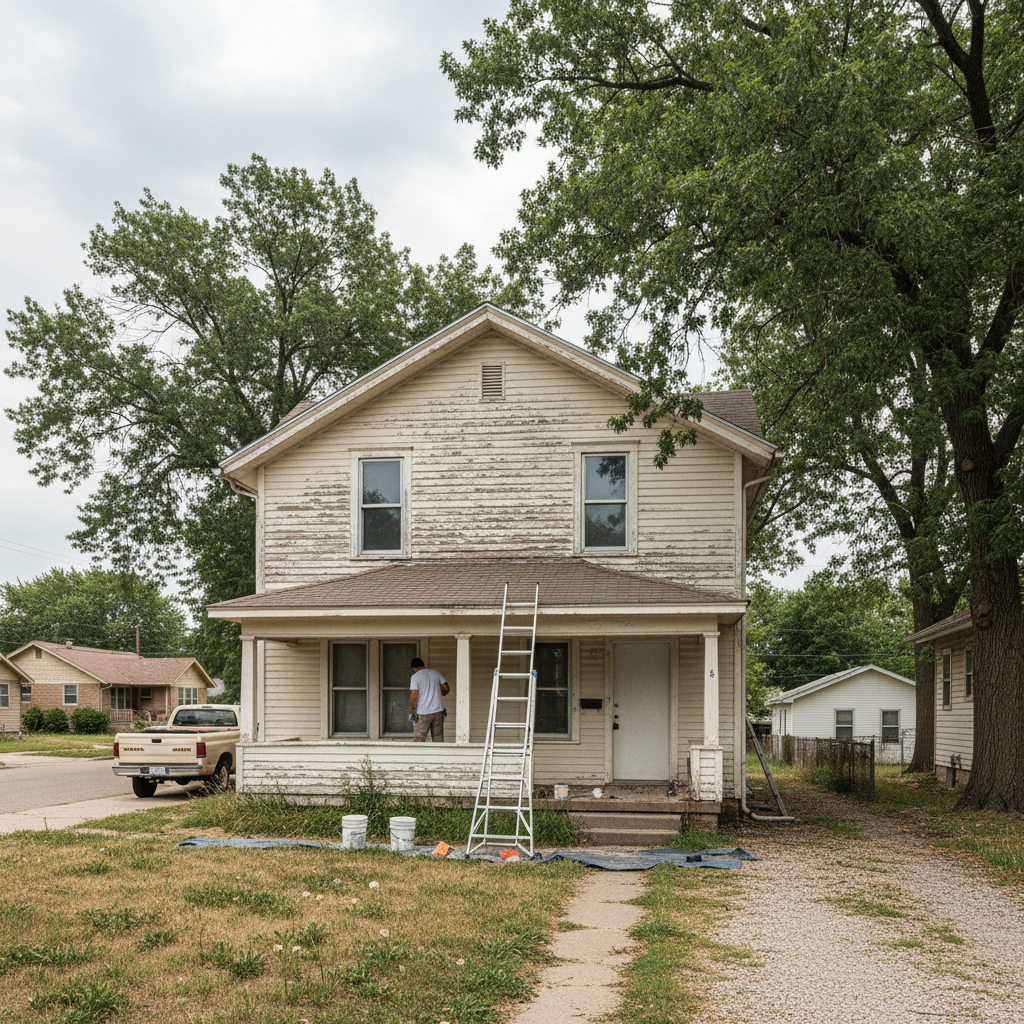
If you want to build durable wealth through small multifamily investing in Sioux Falls, your underwriting cannot rely on optimistic assumptions, national averages, or the hope that appreciation will bail you out. A duplex, triplex, or fourplex here is an operational business rooted in a physical building that has to survive sub-zero Plains winters, shifting municipal property tax assessments, and everyday tenant turnover. When you run the numbers with sober conservatism, small multifamily remains one of the steadiest wealth-building tools in eastern South Dakota—provided you know which line items will make or break your margins.
Too many balance sheets circulating among local buyers borrow rules of thumb designed for warm-climate Sunbelt metros or high-density East Coast markets. In Sioux Falls, where the population hovers around a stable, industrious 250,000, your tenant pool is grounded, your vacancy rates are generally low, but your physical plant expenses demand respect.
The Reality of Expense Ratios on 2-to-4 Units
One common beginner mistake is applying an arbitrary 35% or 40% operating expense ratio to a vintage Central Sioux Falls duplex. On larger 50-unit commercial assets, economies of scale allow lower operational expense percentages. On a triplex near 18th Street or an older converted home near the Cathedral district, your operating expense ratio will realistically fall between 45% and 55% of gross scheduled rent, especially if you plan to use third-party property management.
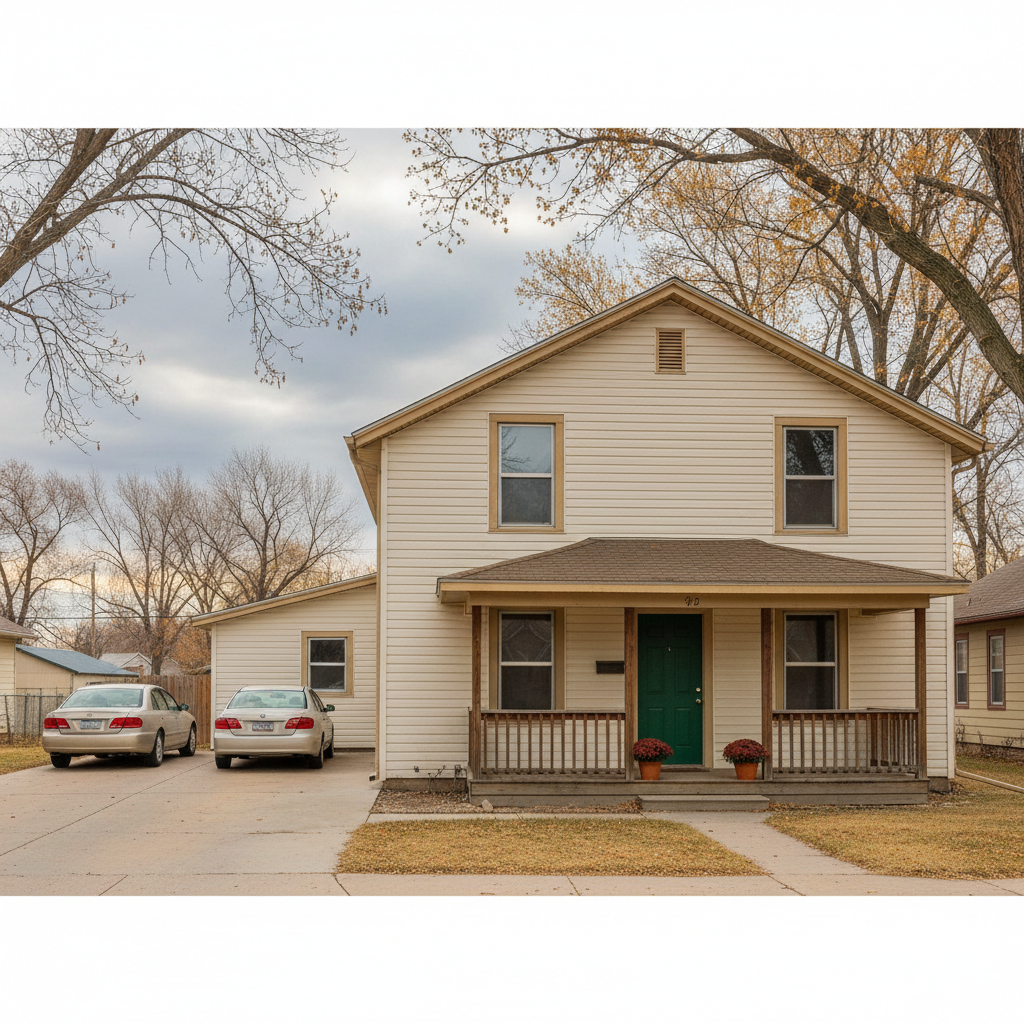
Small properties lack scale. If a single furnace fails in a fourplex during a January cold snap, that one replacement absorbs an entire month’s net operating income from the building. Underwrite maintenance and repairs between 8% and 10% of gross rents on buildings built after 1980, and bump that figure to 12% to 15% on pre-1950 properties.
Property taxes in Minnehaha and Lincoln counties also require active verification. Never use the seller's historical property tax figure on your pro forma. Sioux Falls properties are regularly reassessed upon transfer, and a purchase price substantially higher than the current county assessed value will trigger a jump in your annual mill levy burden within twelve to eighteen months.
Practical Underwriting for Small Multifamily Investing in Sioux Falls
When evaluating a property on the local market, build your pro forma from the bottom up rather than working backward from an asking cap rate. A reliable underwriting model for small multifamily investing in Sioux Falls should evaluate four key pillars:
- Gross Potential Income (GPI): Use realistic market rents based on current comparable units in the immediate micro-pocket, not peak summer asking rents from brand-new Class A garden-style developments on the far southwest side.
- Economic Vacancy and Credit Loss: While our metro maintains healthy employment across healthcare, financial processing, and light manufacturing, never model zero vacancy. Carry a conservative 5% to 7% vacancy and turnover reserve. Turning a two-bedroom unit—painting, cleaning, minor drywall repairs, and marketing—costs real money and takes between two and four weeks.
- True Debt Service Coverage (DSCR): Aim for a Debt Service Coverage Ratio of at least 1.25x under prevailing commercial or portfolio loan terms. If a triplex cannot service its mortgage with a 25% operating buffer remaining, a single protracted lease-up or sewer main repair will put you into negative cash flow.
- Capital Expenditure (CapEx) Reserves: Set aside a fixed monthly reserve per door—typically $100 to $150 per unit—separate from routine day-to-day repairs. This fund is exclusively reserved for roofs, asphalt parking surfaces, and mechanical replacements.
The Two Highest-Return Value-Add Levers
Because rent growth on modest workforce housing follows wage growth rather than speculative spikes, the smartest path to lifting net operating income on two-to-four unit properties in Sioux Falls is strategic operational improvement.
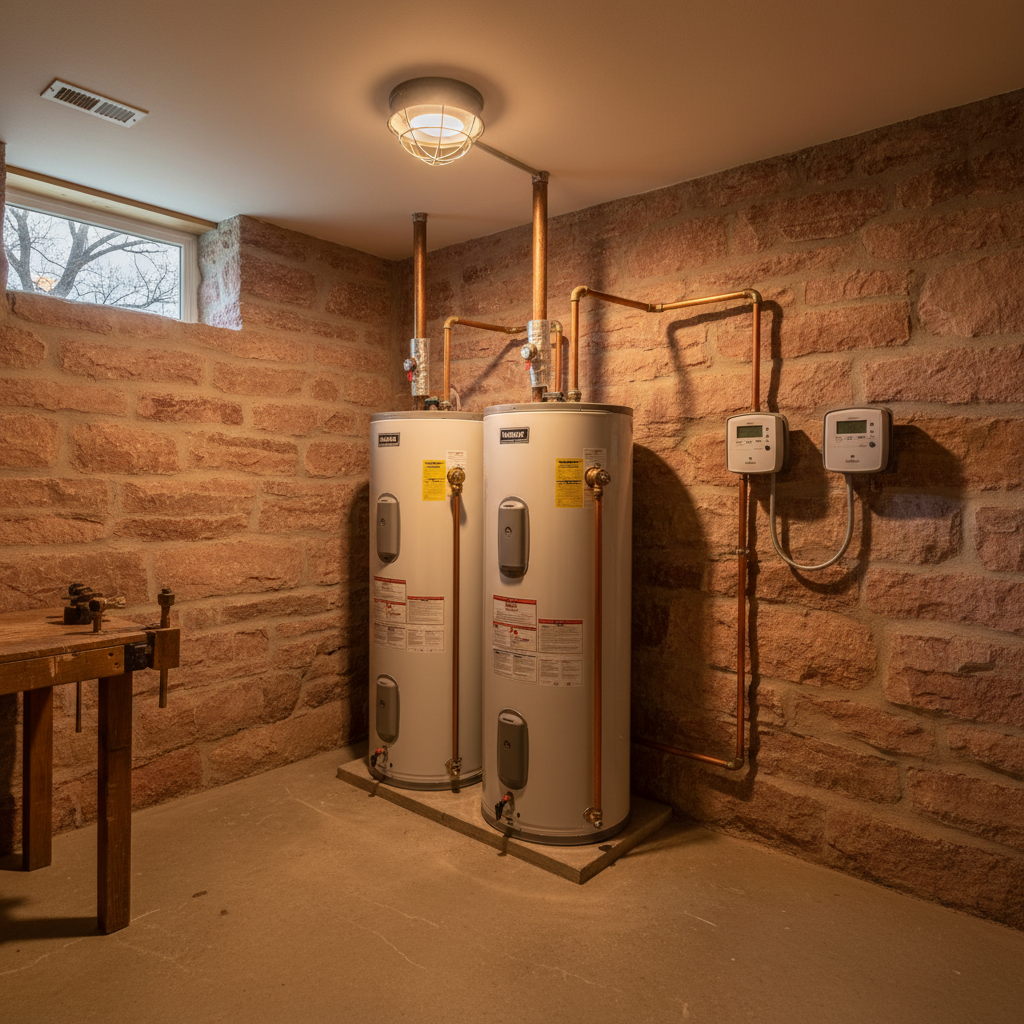
1. Utility Separation and Submetering
In older multi-unit housing across central and north-central Sioux Falls, it is common to find shared central boilers or master gas meters paid entirely by the owner. When an owner covers winter heating bills, winter operating expenses fluctuate unpredictably, and tenants have zero incentive to monitor thermostats.
If the mechanical layout permits, splitting meters or transitioning to individually controlled forced-air or high-efficiency heat pumps can shift heating responsibility directly to the tenant. Where physical separation is cost-prohibitive, instituting a fair Ratio Utility Billing System (RUBS) based on square footage and occupancy recaptures significant cash flow while keeping baseline base rents competitive.
2. Durable Cosmetic Modernization
You do not need luxury finishes to command top-tier rents in established Sioux Falls residential pockets. In fact, fragile high-end finishes often hurt long-term returns. Focus your renovation capital where it reduces turnover friction:
- Replace deteriorating carpet with commercial-grade luxury vinyl plank (LVP) flooring, which easily tolerates snowy boots and pet traffic.
- Upgrade outdated laminate countertops to durable solid-surface alternatives that resist moisture damage near sinks.
- Modernize lighting to energy-efficient LED fixtures and install clean, neutral cabinet hardware.
These durable improvements let you justify market-rate rents while cutting turnover time between occupants from weeks down to days.
Stress-Testing Against Local Operating Hazards
Every geographic region has unique wear patterns. In South Dakota, our wide temperature swings—from humid summer afternoons into sub-zero winter stretches—place distinct stresses on small residential buildings.
Older Sioux Falls foundations, particularly those built on local clay soils, experience seasonal expansion and contraction. When inspecting a prospective duplex, pay close attention to basement block walls, exterior grade drainage away from the perimeter, and roof condition. A roof with five years of life left in a milder climate may give out in three years under heavy prairie snow loads and springtime hail storms.
Snow removal and grounds maintenance also cannot be an afterthought on small multifamily buildings with shared concrete pads or off-street parking alleys. The city enforces strict clearance timelines for public sidewalks following measurable snowfall. Budget explicitly for professional snow clearing and seasonal lawn care, or ensure your lease agreements establish clear, enforceable resident obligations with routine visual follow-ups.
What This Means for You
Small multifamily assets in Sioux Falls continue to offer some of the most stable, risk-adjusted returns available to independent investors—if you buy them based on verifiable numbers rather than wishful thinking.
- Underwrite for stability: Base your purchase offers on actual historical operating costs adjusted for current property taxes and local insurance premiums.
- Inspect the mechanicals first: Value-add potential means little if an ancient boiler, tired roof, or crumbling sewer lateral wipes out your first two years of returns.
- Protect your cash flow: Separate utilities where feasible, budget for snow and grounds maintenance, and build a dedicated reserve for capital expenditures.
When you respect the local fundamentals and manage your properties with disciplined care, small multifamily ownership in our community provides steady, dependable cash flow through every phase of the economic cycle.
Frequently asked
Quick answers
What is a realistic expense ratio for a duplex or triplex in Sioux Falls?
For small multifamily properties in Sioux Falls, expect an operating expense ratio between 45% and 55% of gross collected rents, especially when factoring in professional management. While newer builds may run closer to 40%, older converted homes require higher reserves for heating, snow removal, insurance, and maintenance.
How do property tax reassessments impact small multifamily purchases locally?
In Minnehaha and Lincoln counties, real estate assessments frequently adjust upward following a recent sale. If you purchase a property above its current county taxable value, your property taxes will likely increase within one to two tax cycles. Always recalculate taxes based on your target purchase price rather than historical statements.
Is it worth separating utilities on older Sioux Falls multifamily homes?
Yes, if the physical layout allows for it economically. Heating costs during South Dakota winters represent a massive, volatile expense when owner-paid. If retrofitting individual heating systems is too expensive, implementing a Ratio Utility Billing System (RUBS) allows you to recover water, gas, or trash expenses systematically.
What capital expenditure reserves should I hold per unit in Sioux Falls?
A safe rule of thumb for local 2-to-4 unit properties is reserving $100 to $150 per door each month specifically for capital expenditures. This fund remains separate from routine maintenance and covers big-ticket items like roof replacements after hail events, furnace upgrades, water heaters, and parking pad repairs.
Share
Found this useful? Pass it along.
One tap on LinkedIn, X, or Facebook helps more Sioux Falls renters and investors find these notes.
Get updates by email
Want more posts like this?
Join the weekly Insights digest — new post recaps, Sioux Falls market notes, and one big idea you can use. Free, and you can unsubscribe anytime.