
Sioux Falls
Fall 2026 Market Notes: Where Vacancy and Rents Stand in Sioux Falls
A grounded look at Sioux Falls rental vacancy rates, new apartment absorption along our growth corridors, and what landlords should expect as temperatures drop.

Understanding current Sioux Falls rental vacancy rates requires looking past top-line headlines and examining what is actually happening block by block. As we settle into late October 2026, the local rental landscape is entering its normal seasonal slowdown, but the broader backdrop looks noticeably different than it did two or three years ago. The heavy wave of multi-family construction that broke ground during the post-pandemic surge has largely delivered, and the market is now doing the quiet work of absorbing those units across Minnehaha and Lincoln counties.
For local owners and investors, the key question heading into the winter months is simple: Did the building boom create an oversupply, or has steady regional migration kept the floor intact? Here is what the permit files, lease signings, and neighborhood numbers tell us right now.
What Sioux Falls Rental Vacancy Rates Tell Us Heading into Winter
Across the metro area—a community now home to roughly 250,000 residents across the two-county footprint—citywide vacancy has settled into a balanced band, hovering between 6.5% and 8% depending on property age and location. That represents a mild normalization after the unusually tight sub-5% conditions seen earlier in the decade, but it is far from an oversupplied panic.
The distribution of that vacancy is uneven, which is typical for Sioux Falls:
- Outer-edge Class A communities: Newer multi-family builds along the Veterans Parkway arc on the east side and south along the 85th Street corridor are holding vacancies closer to 8.5% to 10%. Developers are using modest concessions—often two to four weeks free on a twelve-month lease—to complete initial lease-ups.
- Mid-tier garden complexes: Older 1990s and 2000s properties on the west side near 26th and Marion have retained steady occupancy around 5% to 6%, capturing cost-conscious renters who do not need a clubhouse or package lockers.
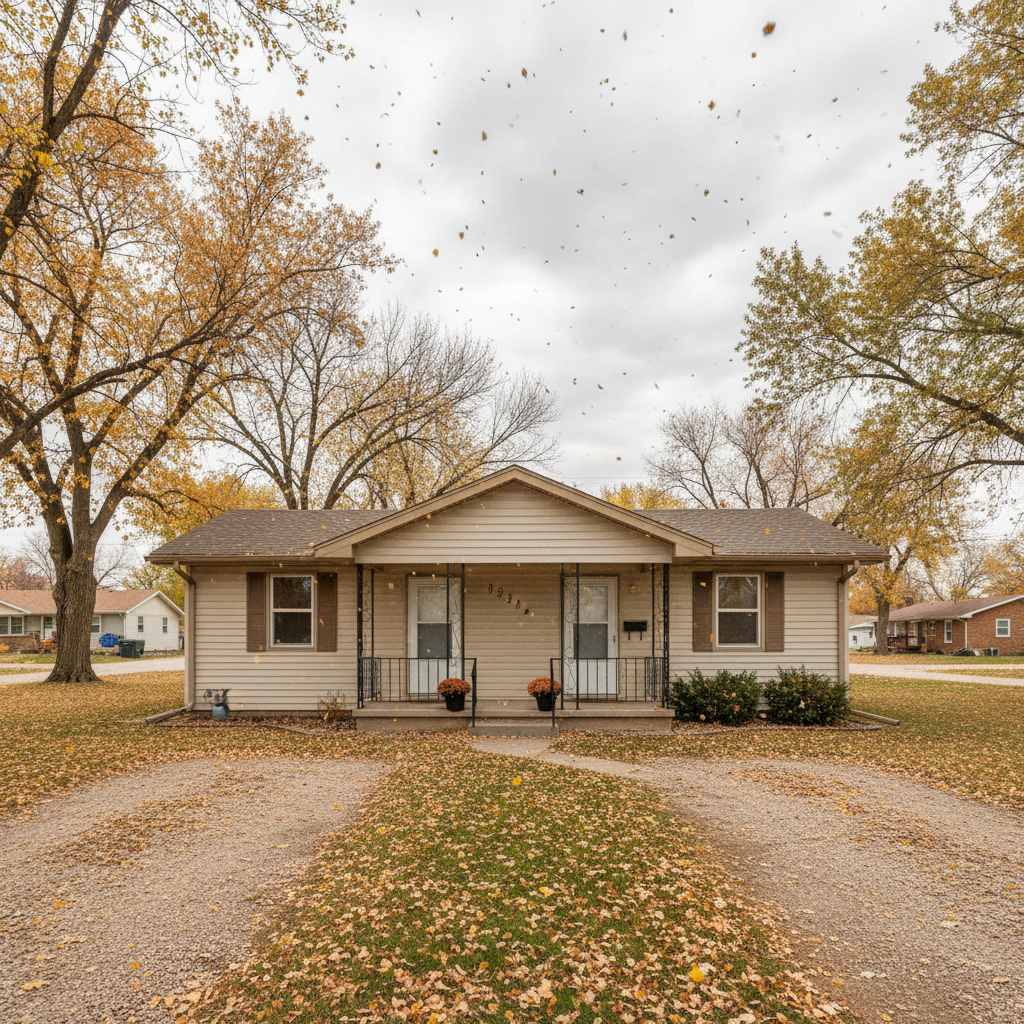
- Infill single-family rentals and duplexes: Traditional two-to-four-unit properties near central neighborhoods—think Cathedral, McKennan Park, and the streets around Augustana University—remain under 4% vacancy. Turnover here is low, and well-maintained properties rarely sit empty for more than a few weeks.
Construction Permitting Has Found a Realistic Pace
The most stabilizing factor in the 2026 market has been the moderation of new building permits. The sharp run-up in construction borrowing costs and labor rates over the past thirty-six months naturally applied the brakes on speculative multi-family groundbreaking.
While 2023 and 2024 saw aggressive starts, 2025 and 2026 permit applications reflect more disciplined, phased construction. Rather than three-hundred-unit mega-complexes breaking ground all at once, general contractors are pulling permits for smaller seventy-to-one-hundred-unit phases, or pivoting toward townhome-style rental clusters.
This slowdown in new starts gives the local tenant base time to catch up. Sioux Falls continues to benefit from positive net migration, supported by steady expansion in specialized healthcare at Sanford and Avera, value-added food processing, logistics, and regional financial operations. People are still moving here, but supply and demand are finally moving at comparable speeds.
Rent Growth: Low Single Digits Replace the Spikes
Rent trajectory in late 2026 has returned to historical Midwestern norms. We are no longer seeing the 7% to 10% annual rent hikes of the early 2020s. Year-over-year rent growth across the Sioux Falls metro is now running between 1.5% and 3%.

In practical terms, two-bedroom garden-style units that rented for $1,150 two years ago are commanding roughly $1,200 to $1,225 today. Newer builds with underground parking and in-unit laundry push toward $1,400 to $1,600, but tenant resistance becomes sharp once pricing approaches the $1,700 mark for standard finishes.
For existing landlords, this shift means retention matters far more than testing the absolute top of the market. Turning over an apartment in November or December in South Dakota costs real money: utility bills for heating vacant space, turnover repairs, and marketing while prospective tenants avoid moving during freezing weather. Keeping an existing, reliable tenant at a modest $25 or $40 renewal bump is almost always more profitable than chasing a theoretical $100 increase and taking a six-week vacancy.
Neighborhood Watch: South and East Still Lead Activity
Growth continues to radiate southeast and northeast, but each corridor is developing its own tenant identity:
- The East Side (Veterans Parkway corridor): High accessibility to Interstate 90 and the newer retail nodes has made this a primary target for younger healthcare workers and commuters. Single-family rentals in the surrounding additions rent quickly to families wanting newer school attendance boundaries.
- The Far South (85th Street to Tea boundary): This area carries the highest density of recently completed townhomes. Competition among landlords is strongest here, meaning finishes, pet policies, and responsive management make the difference in vacancy duration.
- The Core and Central West: Older neighborhoods with tree-lined streets remain the backbone of steady cash flow. While these properties cannot command peak rents, their property taxes and operating bases are established, and tenant retention often stretches across multiple years.
What This Means for You
If you own or manage rental property in Sioux Falls, the late 2026 market rewards operational discipline over speculation. Here are the practical steps to take before the ground freezes:
- Audit your upcoming winter lease expirations. If you have leases ending between December and February, reach out now to negotiate spring extensions. A two-month or fourteen-month renewal that rolls the end date to May or June protects your cash flow when rental demand is naturally dormant.
- Price to current comps, not last year’s hopes. Check active listings within a one-mile radius before listing a turnover. If nearby complexes are offering a month of free rent, your unit needs to be priced cleanly and ready for move-in without deferred maintenance.
- Prioritize maintenance responsiveness. In a market with 7% average vacancy, renters have options. Fixing a drafty slider, servicing furnaces before the first hard freeze, and keeping parking lots promptly plowed will do more to preserve your tenant base than any advertising campaign.
The Sioux Falls rental landscape is fundamentally sound. It is neither overheating nor stumbling. For local investors who know their numbers and maintain their properties, that kind of stability makes for very workable long-term ownership.
Frequently asked
Quick answers
What is the average rental vacancy rate in Sioux Falls right now?
As of late 2026, the overall vacancy rate across the Sioux Falls metro sits roughly between 6.5% and 8%. Newer Class A suburban complexes tend to run slightly higher near 9% as they finish initial leasing, while central duplexes and single-family homes often stay below 4% due to consistent local demand.
Are landlords offering rent concessions in Sioux Falls in 2026?
Yes, but mostly in newer large-scale multi-family developments along the southern and eastern edges of the city. These properties commonly offer two to four weeks of free rent on a year lease to fill units. Independent owners of duplexes and small multi-family properties generally do not need concessions if their base rent is priced fairly.
Is it difficult to fill rental units in Sioux Falls during the winter?
Tenant search activity slows down significantly between November and February due to colder weather and holidays. While properly priced units still rent, vacancy turnarounds take longer. Most experienced owners structure their leases to expire between April and September to avoid marketing vacant rentals in freezing temperatures.
How are higher interest rates affecting the rental supply in Sioux Falls?
Financing costs over the past several years led commercial developers to moderate new construction starts throughout 2025 and 2026. Instead of massive multi-phase apartment deliveries flooding the market simultaneously, construction has slowed to phased builds, allowing local job growth and migration to steadily absorb current inventory.
Share
Found this useful? Pass it along.
One tap on LinkedIn, X, or Facebook helps more Sioux Falls renters and investors find these notes.
Get updates by email
Want more posts like this?
Join the weekly Insights digest — new post recaps, Sioux Falls market notes, and one big idea you can use. Free, and you can unsubscribe anytime.