
Sioux Falls
Sioux Falls Residential Infill: Leveraging Opportunity in Established Areas
With Sioux Falls continuing to grow, opportunities for residential infill development are becoming increasingly relevant. This approach leverages existing infrastructure, offering benefits for both investors and the community by revitalizing established areas.
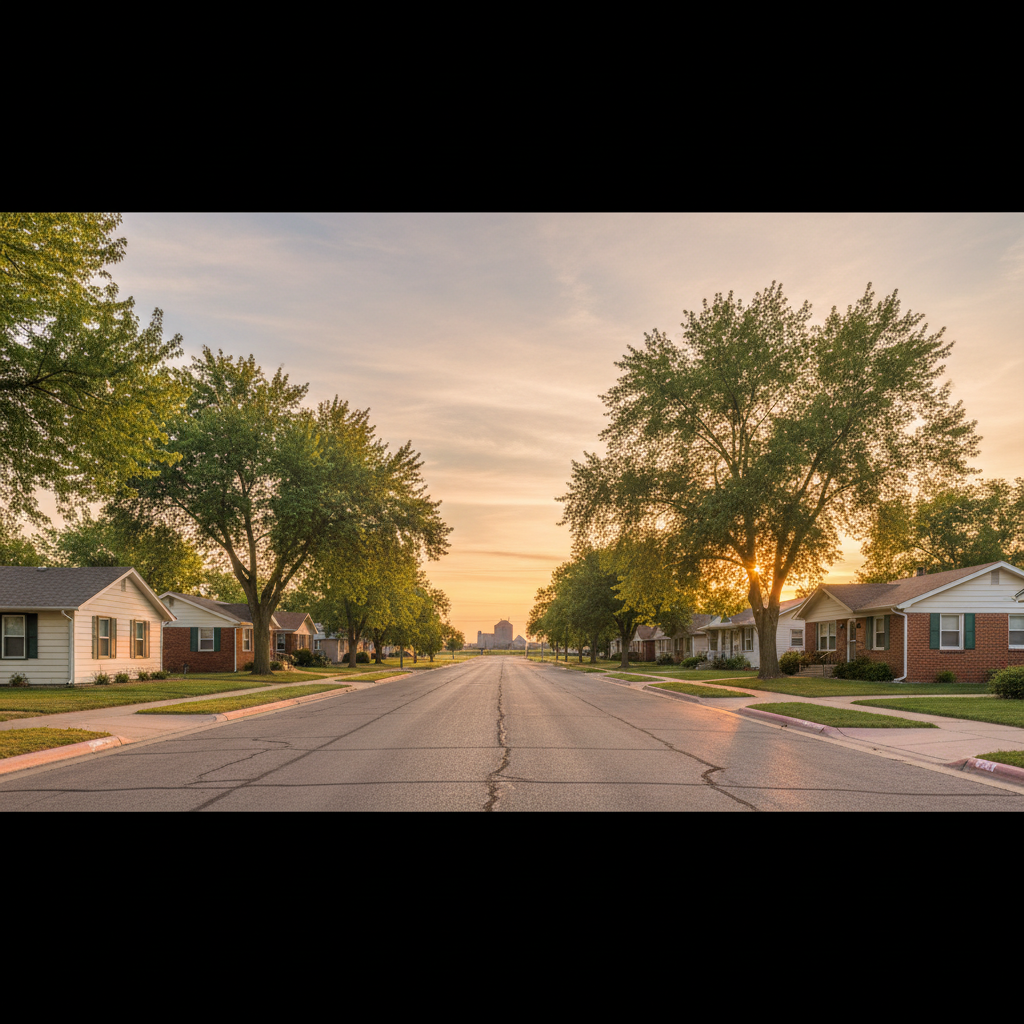
The ongoing growth of Sioux Falls necessitates a thoughtful approach to housing development, and one significant area of opportunity lies in sioux falls residential infill. Rather than always expanding outwards, strategically developing within existing neighborhoods can offer compelling advantages for investors, property managers, and residents alike. This approach means converting underutilized lots, subdividing larger parcels, or redeveloping older properties to create new housing units closer to established amenities and job centers.
Why Infill Matters in Sioux Falls Today
Sioux Falls has seen consistent population growth over the past decade. This growth brings demand for housing, but also pressure on infrastructure. Infill development helps alleviate some of this pressure by utilizing existing roads, water lines, and sewer systems. It also reduces the need for new greenfield development on the city's periphery, preserving agricultural land and reducing commute times for many. For investors, this can translate to lower initial infrastructure costs compared to building on raw land.
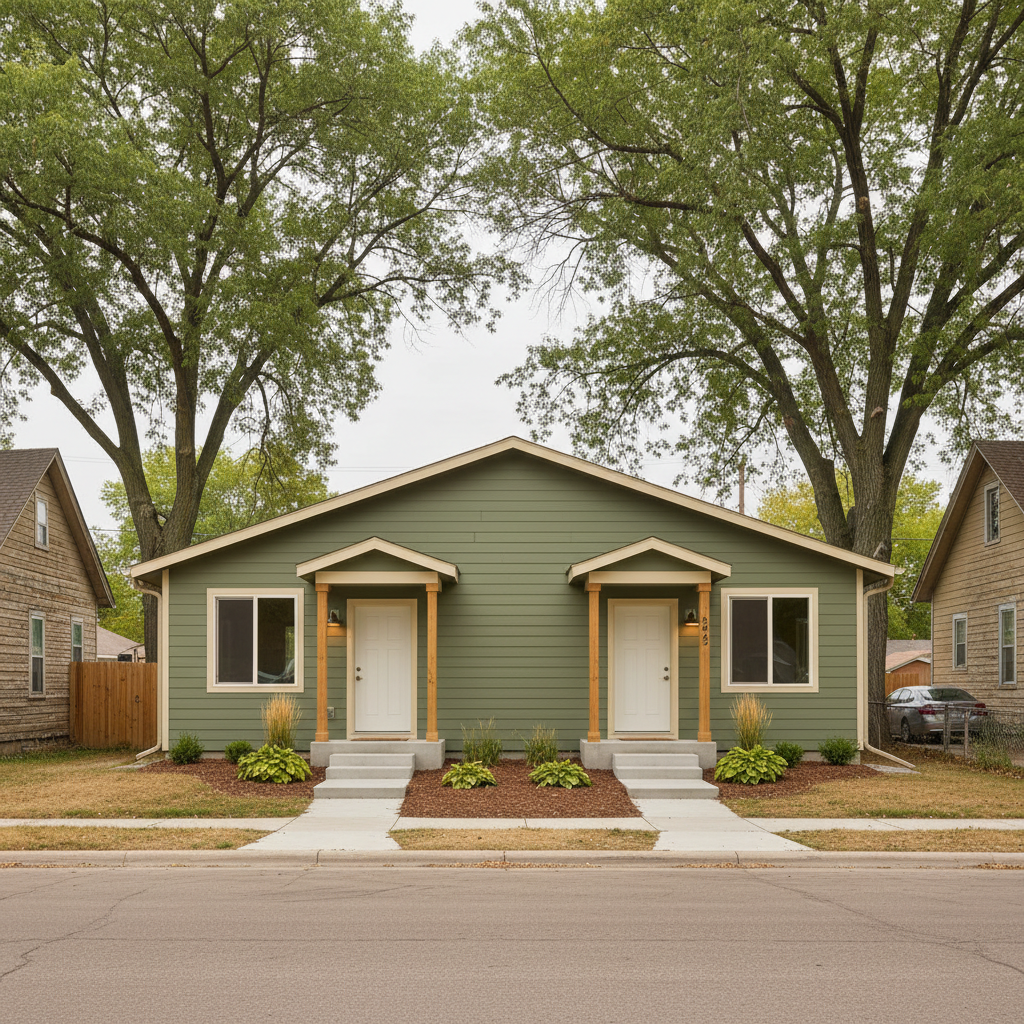
Consider a scenario where an older, larger parcel with a single home is redeveloped into a duplex or even two smaller single-family homes. This provides more housing options without extending utility lines miles further out. Or, perhaps a commercial lot in a transitioning area is rezoned for townhomes. These aren't hypothetical; these types of projects are increasingly part of the conversation in Sioux Falls planning discussions.
Identifying Potential Infill Sites and Neighborhoods
Successful sioux falls residential infill hinges on identifying suitable sites. These often include:
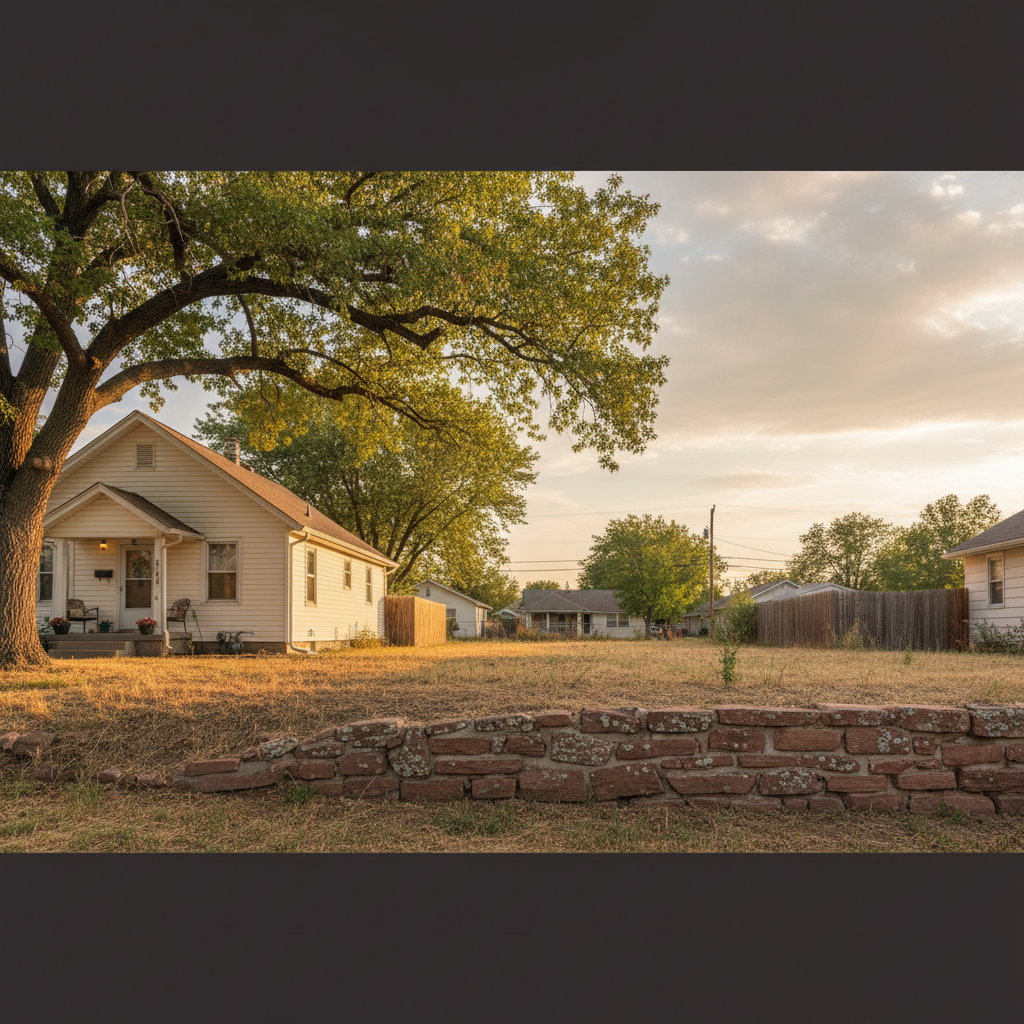
- Vacant lots: Sometimes overlooked or deemed too small for conventional development, these parcels can be ideal for a modest single-family home or a duplex. Look for odd-shaped lots or those created by previous land divisions.
- Underperforming commercial properties: As retail patterns shift, older commercial buildings in residential zones may present opportunities for conversion or demolition and new residential construction.
- Large residential parcels: A property with a half-acre or larger lot in an established neighborhood, particularly if it's nearing the end of its economic life, might be suitable for subdivision or a multi-unit redevelopment, subject to zoning.
- Older housing stock on prime lots: Properties in desirable, walkable neighborhoods that are structurally sound but functionally obsolete (e.g., small, dated layouts) can be completely reimagined into modern residences.
Neighborhoods to consider for infill opportunities are typically those built out in the 1950s, 60s, and 70s. These areas often have established trees, schools, and parks, making them attractive to tenants and buyers who prefer mature surroundings over new suburban tracts. They also tend to be closer to central employment hubs, a significant draw for renters and working professionals.
Zoning and Permitting: Navigating the Process
Navigating zoning and permitting is a critical step in any infill project. Sioux Falls city planning staff are generally supportive of thoughtful infill that aligns with the city’s comprehensive plan. However, understanding the nuances is key.
- Zoning Overlays: Some established neighborhoods have specific zoning overlays that might impact density. For example, a parcel zoned R-1 (single-family residential) might allow for an Accessory Dwelling Unit (ADU) depending on lot size and other factors. Research local ordinances carefully.
- Design Standards: Be prepared for design standards that ensure new construction complements the existing character of a neighborhood. This isn't about replicating old homes, but ensuring appropriate scale, materials, and setbacks that respect the streetscape. A two-story modern building designed for efficiency might be appropriate on a narrow lot, provided it addresses local guidelines.
- Permitting Timeline: While individual project timelines vary greatly, expect a thorough review process. Engaging with city planners early in the conceptual phase can save significant time and resources down the line. Don't assume. Ask questions, present clear plans, and be open to feedback.
Example: A developer acquires a corner lot with an aging single-family home. After consulting with the city, they find that while single-family zoning is the default, a Conditional Use Permit (CUP) allows for a duplex due to the lot's size and direct access to two streets. This process involves public notice and a planning commission review, but the outcome could be two modern rental units where one older home stood, significantly improving housing stock and property tax revenue.
Benefits for Investors and the Community
For property investors, sioux falls residential infill offers several compelling benefits:
- Higher rents/property values: New or revitalized homes in established, desirable areas often command stronger rents and higher resale values due to their location and updated features.
- Reduced commuting costs: Tenants and buyers prioritize shorter drives to work, schools, and shopping, leading to lower vacancy rates and steady demand.
- Leveraging existing infrastructure: Minimizing the cost of new utility extensions can improve project profitability.
- Community goodwill: Thoughtful infill contributes to the revitalization of neighborhoods, often increasing property values for surrounding homes and fostering a sense of community pride.
For the broader Sioux Falls community, infill contributes to sustainable growth. It encourages walkability, supports local businesses by increasing the customer base, and makes efficient use of public services. It's a win-win when executed thoughtfully.
What this means for you
If you're an investor scouting opportunities, shift some of your focus from the city's edges to its interior. Look for parcels that might seem unassuming at first glance. Engage with zoning maps and city planning documents. If you're a homeowner in an older neighborhood, understand that thoughtful infill around you can increase your property's value by improving the overall quality and desirability of the area. For renters, infill means more housing choices in convenient locations, potentially closer to where you work and socialize. It's about smart growth that makes the most of what Sioux Falls already has to offer.
Frequently asked
Quick answers
What is residential infill development in Sioux Falls?
Residential infill development in Sioux Falls involves building new housing units on underutilized or vacant parcels within already developed urban areas. This could mean converting a large single-family lot into a duplex, building on an empty lot, or redeveloping an older commercial property into townhomes. The goal is to maximize existing infrastructure and provide housing closer to city amenities.
What are the benefits of infill development for Sioux Falls investors?
Investors can benefit from infill development by leveraging existing city infrastructure, potentially reducing utility extension costs. Properties in established neighborhoods often attract higher rents and buyers due to their proximity to jobs, schools, and services, leading to better returns and lower vacancy rates. It also contributes to community revitalization.
Which Sioux Falls neighborhoods are good for infill opportunities?
Established residential areas, particularly those developed in the mid-20th century (1950s-1970s), often present strong infill opportunities. These neighborhoods typically have mature trees, schools, parks, and are closer to central employment hubs, making them appealing. Look for areas with slightly larger or underutilized lots and good walkability.
What should I know about zoning for infill projects in Sioux Falls?
Understanding Sioux Falls zoning ordinances is crucial. While some areas are strictly single-family (R-1), specific overlays or conditional use permits might allow for increased density (like duplexes or ADUs) on certain parcels, depending on size and location. Always consult with the city planning department early in your project conceptualization to confirm feasibility and design standards.
Share
Found this useful? Pass it along.
One tap on LinkedIn, X, or Facebook helps more Sioux Falls renters and investors find these notes.
Get updates by email
Want more posts like this?
Join the weekly Insights digest — new post recaps, Sioux Falls market notes, and one big idea you can use. Free, and you can unsubscribe anytime.